Women’s supermarket self-checkout has repeatedly "missed" for half a year, and 17 cases have been detained.

  (Reporter Lei Zhang) A female white-collar worker deliberately missed the goods when checking out in the supermarket, and committed 17 consecutive crimes in the past six months. After the supermarket was discovered, it called the police, and Chaoyang police arrested people recently. At present, the woman was criminally detained by Chaoyang police on suspicion of theft.

  It turned out that a supermarket in the jurisdiction of Guanzhuang Police Station of Chaoyang Branch recently found that some goods could not correspond to the accounts. After checking the monitoring screen of the checkout exit, the staff found that for a period of time, when a young woman used the self-checkout equipment to checkout, she repeatedly bought several similar goods but only settled the account once.

  After mastering the law of the suspected woman’s crime and obtaining her physical characteristics, the police told the supermarket staff to contact the police station immediately when the woman came to shop again.

  A few days later, the suspected woman appeared in the supermarket again. After the staff reported, the police arrived at the scene at the first time. The woman Li confessed that last year, when she was shopping, she accidentally forgot a product during self-checkout, but she took it out of the supermarket normally, and no one investigated it afterwards. After tasting the sweetness, she began to commit crimes frequently. In the past six months, she has committed 17 consecutive crimes by deliberately leaking goods. At present, Li was criminally detained by Chaoyang police on suspicion of theft.

History of Self-portrait: From Narcissus Teenager to Self-portrait Girl

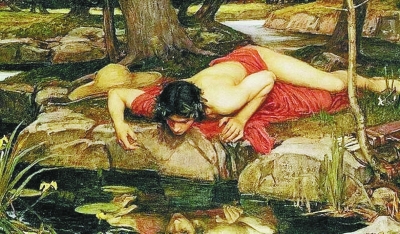
Narcissus daffodil teenager.
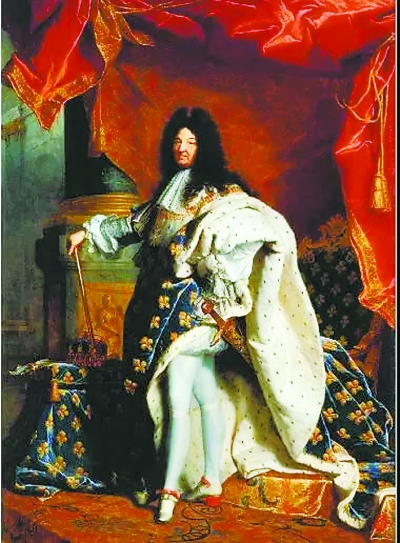
Trigaud, a French court painter, works "Full-length portrait of Louis XIV in coronation suit at the age of 63".
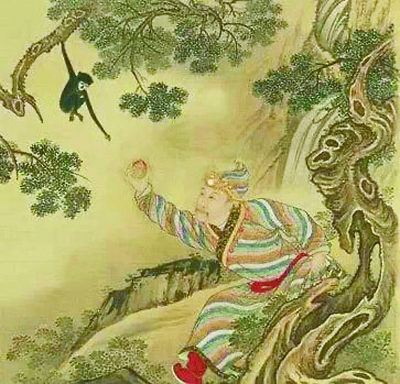
Selected Pictures of Yongzheng Carpe diem.
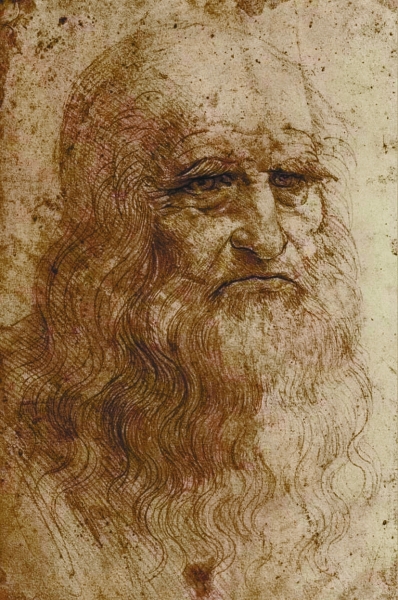
Self-portrait of the famous painter Leonardo da Vinci.
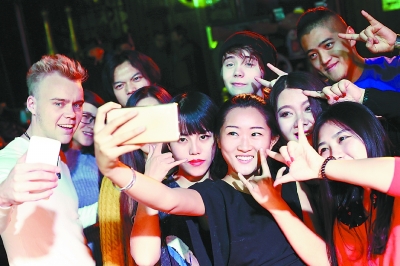
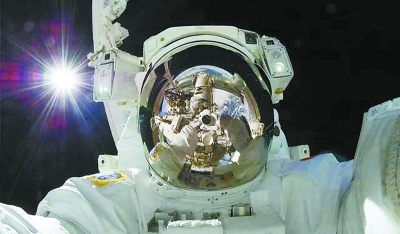
Japanese astronaut Akihiko Shingo takes a selfie in space.

  As early as ancient Greece, the Oracle of "Know Yourself" was engraved on the lintel of Apollo Temple. This is an inevitable question in everyone’s life: who am I? Who am I? Is this what others think of me as? … … Self-focusing "selfie" is what we think of as proof of our interaction with others.

  Self-portrait is popular in the internet age, but "self-portrait" is not the product of the internet age. People have always been enthusiastic about themselves, but in the past, they were limited by technical conditions, and the privilege of seeing their own visual images belonged to only a few people. After the Renaissance, painters with technical advantages picked up brushes and combined self-portrait with art. With the advent of photography, it is possible for ordinary people to record themselves. After that, the rapid development of digital cameras and high-definition mobile phones, as well as the fuel of Internet information sharing, ushered in a big explosion of self-portraits, machine imaging.

  Privilege of nobility — — Portrait of the emperor

  Narcissus is a beautiful boy in Greek myths and legends. When he was born, his parents received the proverbs from the prophet — — Don’t let him see his face clearly. However, at the age of sixteen, Narcissus caught a glimpse of his face when he passed a mirror-clear lake in the forest. The beautiful boy was addicted to the reflection in the water, and finally fell into the bottom of the lake and turned into a daffodil on the shore.

  The inverted image of daffodil teenagers is a metaphor of human self-cognition. Humans observe four situations and exchange information with others to understand and define the world around them; At the same time, human beings also examine their own external presentation, show it to others in various ways, and define themselves through feedback from others. Just as Charles Horton Cooley, an American sociologist, expounded the "Byakki Smoker" theory in "Human Nature and Social Order" in 1902: "We understand ourselves by imagining how others feel about our behavior and appearance" — — And this may be the endogenous force for the long-lasting self-portrait.

  Self-gaze was born at the beginning of human cognition. A primitive man who came back from hunting with a full load may be to show his strength, or to record the moment of victory. In short, he will draw murals of his hunting with colored soil by the light of the bonfire in the cave. These primitive murals can be regarded as the earliest self-portraits of human beings. Therefore, selfie has a long history. In the years when human beings have not mastered photography technology, portrait is the original form of selfie.

  Before the 16th century, only the aristocrats could hire painters to see their own visual images. Although the portrait is not written by myself, they pay the painter, so it is their preference, not the painter’s, that determines the direction of the painting. The portraits of emperors in the era of centralization are not only for recording, but also for showing the authority of emperors. King Louis XIV of France claimed to be the king of the sun. In one of his widely circulated portraits, Louis XIV wore a golden laurel and portrayed himself as Apollo. Queen Elizabeth I left hundreds of portraits, but most of them looked like the same one — — Almost fair skin and unsmiling expression — — The real Elizabeth had smallpox, her face was full of potholes, and her mouth was rotten because she ate too much sugar. Compared with real people, portraits are obviously beautified.

  The portrait with the most selfie style comes from Yongzheng, a fan of "Let’s have fun". The "map of pleasure", which began in Nanqi, usually depicts the royal entertainment life. Back to Yong Zhengdi, he was the absolute master of his "map of pleasure". Yongzheng’s "map of pleasure and pleasure" is not only a display of external imperial power, but also related to the inner side of "poetry and distance" Long before he ascended the throne, a silk painting called "Plough and Weaving in Yin Zhen" revealed this clue. In the picture scroll, Yongzheng dressed himself as a farmer who stood on the ridge with an umbrella and led the people to harvest. In the later "Atlas of Joy and Joy in Yongzheng" (collected in the Palace Museum), Yongzheng wore a western wig and European clothes to hunt and stab tigers, or pretended to be a fisherman who fished alone in the cold river, or shot a bow barefoot, or sat quietly in meditation at sunset, or recited songs in ancient Panasonic &hellip. … It’s quite a bit like online celebrity bloggers "posing" today.

  The convenience of artists — — self-portrait

  It is difficult for ordinary people to see their portraits, and nobles realize their portraits with the help of painters’ skills. What about the painters themselves who have fantastic brushes? In 1656, the Spanish painter Diego Velá zquez indirectly expressed the advantages of the painter with his masterpiece Gong E. When painting a portrait of the little princess, Velazquez skillfully incorporated his own painting scenes into the picture scroll. In the frame, Velazquez stands in front of the frame with a brush in his hand, which makes it difficult for the viewer’s eyes not to bounce back on him when they touch the frame. This is an artist’s visual game and a painter’s privilege.

  Few painters can refuse the privilege of self-portrait, just as it is difficult for people today to refuse the selfie camera of mobile phone. At one time, few people paid attention to the painter’s self-portrait. Occasionally, a painter secretly drew one for himself, and he could only admire himself. However, since the Renaissance, art has gradually been respected by people, and even the portrait art of painters has stood in the spotlight. The self-portrait that best represents the Renaissance spirit comes from the master Leonardo da Vinci. In his self-portrait of his later years, his tight lips, deep eyes and smooth beard depict an old, wise and rational human image. The most prolific self-portrait creator is the Dutch painter Rembrandt. From the age of 14 to 63, Rembrandt left more than 100 self-portrait works, spanning his fanatical youth, proud middle-aged and lonely old age; Rembrandt’s skin in the painting ranges from compact luster to wrinkled face, and his clothes range from fine clothes to coarse rags. What remains unchanged is his persistent pursuit of art, which can almost become a personal portrait epic. The most straightforward self-portrait comes from the painter Van Gogh, who painted a self-portrait with his ears cut off at the stage of his artistic madness, expressing the painter’s strong self-awareness.

  Victor lebrun is a famous French neoclassical painter. In 1779, he was invited to the Palace of Versailles to paint a portrait of Queen Marie Antoinette. Different from the traditional royal portrait, the queen in her works is more like an ordinary aristocratic girl, dressed comfortably and casually. But her most realistic figure painting is the self-portrait of her and her daughter together. The female painter looks directly at the viewer and holds her daughter in her arms. Her expression is kind, natural, warm and moving, just like today’s parent-child photo. Lebrun painted a number of self-portraits, in which she embraced her daughter, taught students and painted in the studio, just like a female autobiography under the changing times.

  The Light of Photography — — Real selfies are possible.

  In 1826, in Burgundy, after eight hours of exposure waiting, Joseph Nicephore Nieps finally succeeded in developing the scenery outside his attic window on a lead-tin alloy plate, giving birth to the first photo in human history. Nieps has been studying this kind of instantaneous image condensation for more than twenty years. He named this photography technique "sunlight etching" and refused to make it public. So the inventor of human photography was named after his partner Louis Daguerre. On the basis of Nieps’s invention, Daguerre changed to mercury vapor to enhance the image appearance and delicacy of exposed copper plate, and shortened the exposure time from 8 hours to 30 minutes. Shortly after Nieps’s death, at the meeting of French Academy of Sciences and Academy of Arts in August 1839, "Daguerre’s silver photography" was officially made public, and the light of photography shone into the public.

  The English word "photography" in photography consists of Greek words "phos" and "graphos", meaning "light" and "writing" respectively. As the name implies, "photograph" means to replace the human brush and record the moment as eternity with light. The invention of photography amazed people and changed the way people watched the world. The most typical example is a photo of the earth called "Blue Marbles" taken by astronaut Jack Schmidt on the Apollo spacecraft in 1972. This photo has opened a new perspective for all mankind to observe the world, and for the first time, from the perspective of "God", we can see the whole picture of the planet where we live and marvel at its roundness, tranquility and perfection.

  Almost at the same time when photography was born, people not only watched and photographed external images enthusiastically with cameras, but also tried to be in front of the camera to satisfy their curiosity about themselves — — Self-portrait was born almost at the same time with the invention of photography. The first batch of self-portrait attempts were artists transferred from painters, such as French photographer Hippo Park Jung Su Baier. Speaking of which, he was a competitor of Daguerre. As early as May 1839, he submitted the exposure method of "direct positive film technology" to the French Academy of Sciences, but in the end, Daguerre’s publicity was robbed by mistake. Baier created a selfie titled "Self-portrait of the Drowning Man" to protest. In the photo, he lay naked on the water side and played a drowning man. His eyes were closed and his hands were black. At one time, the public thought that he had really passed away. Thus, although Baier missed the title of the first inventor of photography, he went down in history as the first selfie taker.

  Camera evolution — — Self-timer from difficult to easy.

  It’s too difficult. Almost all early photographers who have taken selfies will have such complaints. Daguerre’s photographic equipment weighs 50 kilograms, and the exposure time of 30 minutes means that the selfie taker has to stay still in front of the camera for more than half an hour. No wonder Baier chose "suspended animation" for his selfie, and it is much easier to close his eyes and take a nap for an hour. By contrast, in 1865, when Gannard, a French photographer, journalist and novelist, took a selfie in the mirror and sent it to a friend, he couldn’t help but write down the hardships behind the photo: "I looked in the mirror and took this photo. My hands are shaking, it’s too difficult to shoot. " The earliest personal selfie in China came from the first selfie of my family in a hundred years, which was created by Ms. Sun Sui Xin Ci, a visual education scholar, in 1901. The birth of this selfie was also a big struggle. In order to assist in shooting, Ms. Sun Sui Xin Ci made her own equipment, and it took more than a day of trial and error to get a satisfactory one. Artists are still like this, and it is conceivable how difficult it is for ordinary people to get a selfie.

  Five years after the death of Daguerre, the father of photography, george eastman, an ordinary man, was born. Born in a poor family, he was fascinated by photography since childhood. After he got a job in a bank as an adult, he devoted his spare time and money to the research of camera dry photography. At the age of 27, Hysmans invented the earliest film and founded his own camera dry printing company. At the age of 34, Hysmans Company produced the first "Box Brownie" camera, which cost only $1 (Daguerre’s photographic equipment cost 400 francs); At the age of 35, Hysmans’s company was renamed Hysmans Kodak Company, which became the famous Kodak Company. Kodak Company has brought snapshot technology to the general public. Small and cheap cameras have become the daily consumer goods of the public, and ordinary people’s selfies have also begun to emerge. When people come into contact with photography, they try to take selfies by observing their postures and expressions in the mirror. The invention of film made portraits and self-portraits generally replaced by cheap photographic paper, but the real change was the digital camera that had a devastating impact on Kodak.

  In 1988, at the Cologne Expo, a digital camera NDS-1P jointly developed by Fuji and Toshiba attracted people’s attention. This is the first digital camera in human history, and its appearance means that the new electronic imaging technology has replaced the traditional silver halide technology, the cornerstone of Kodak’s survival — — Film, a storage medium, has been digitally melted. It is not only storage, but also digital evolution from imaging to transmission and even image modification. It is a distant thing to take photos in the early days with a whole set of cumbersome and costly equipment. The arrival of the digital age is of epoch-making significance to the history of personal selfies. Digital cameras are too friendly for selfie lovers. — There will be no more wasted film, and it can be checked and deleted through the LCD screen behind the camera immediately after shooting, which is both economical and can protect privacy. The self-timer delay function frees the photographer in the process of self-timer, and the distress of leaving reflective white spots in the middle of the photo when taking a self-timer in the mirror is gone forever. In addition, the invention of wireless remote control and cable release has expanded the range of activities of selfie takers, and they can record themselves and their surroundings. Various auxiliary self-timer functions such as anti-shake function and portrait automatic beautification function have emerged one after another, and the sales of digital cameras specially designed for self-timer are hot … … With the development of photography technology, ordinary people can easily take pictures for themselves, and selfie has finally changed from the pastime of nobles and the privilege of artists to the daily life of ordinary people.

  Mobile phone era — — Self-timer anytime, anywhere

  In 1973, on the street of new york, martin cooper, an employee of Motorola Company, successfully talked with others with a machine box the size of two bricks. This was the first mobile phone in the world, and today people call it a mobile phone. At that time, martin cooper might not have imagined how earth-shaking changes would take place in this machine 50 years later: its main functions are far more than just talking, but also surfing the Internet, paying, playing games and, of course, taking selfies.

  Today, more than 90% of online selfies come from mobile devices. For most people, the multifunctional, light and easy-to-use mobile phone is enough to take pictures instead of digital cameras, not to mention the continuous improvement of mobile phone manufacturers in mobile phone cameras. The earliest mobile phone with camera function came from Sharp J-SH04, which was released in 2000. A 110,000-pixel CCD camera was built in the back of the machine, and a convex mirror, that is, a selfie mirror, was intimately prepared next to the camera to help users see and adjust their actions in the convex mirror when taking selfies. In 2005, the prevalence of 3G network made the factory mobile phones begin to be equipped with front-facing cameras. The front camera was originally used for video calling under 3G network, but it was soon discovered by merchants that people used it to take selfies far more often than video calling. Camera, once only an accessory function, has evolved into an important indicator of mobile phones because of the popularity of self-timer. With the continuous evolution of mobile phone cameras, millions of pixels of smart phones become standard, and the imaging quality even surpasses that of ordinary cameras. Some mobile phones add a filter effect to the lens, making a "beauty mobile phone" which is the main selling point of selfie.

  The fission of network technology and the continuous upgrading of mobile phones in the 21st century have released people’s demand for taking selfies, which has made selfies grow rapidly, becoming a popular trend and even a mainstream cultural phenomenon. In 2013, the Oxford English Dictionary announced that the word of the year was "selfie", that is, in this year, 184 million selfies of social network users were spontaneously uploaded to the network. In 2014, Apple’s mobile phone was equipped with a front camera with excellent performance, which can automatically focus and fill the light in front. In this year, Time magazine in the United States called the selfie stick "one of the top 25 inventions in the world". Various beauty-shooting softwares emerge one after another, which help selfie users to skin and conceal blemishes, whiten and brighten photos, and even enlarge eyes or simulate makeup, and the operation is equally simple: choose filter lens — Taking pictures — Beautify photos — One-click upload Self-timer is like a script, which interprets the self-timer’s heart and state. When ordinary people can always adjust, pose the most beautiful posture, and even use software to modify and interpret different styles, they become artists of their own images. Every selfie is a performance that the photographer wants his image to be presented to others.

  Just as primitive people drew their rough outlines in caves and waited for their peers to admire them, feudal emperors instructed painters to paint portraits and frightened the world, and artists picked up brushes to show their artistic pursuits and spiritual world, ordinary people picked up their mobile phones to create and upload selfies, waiting for others to interpret and give feedback.

  Extended reading

  Space selfie and the era of reading pictures

  In 2012, a space selfie of Japanese astronaut Akihiko Shingo showed his selfie in a spacesuit. Although his face is completely obscured by his helmet and the picture has no caption, the reflection of the International Space Station on the astronaut’s helmet mask and the earth below the space station are enough to convey rich information — — This selfie is the best embodiment of promoting information exchange into the era of picture reading in the network era.

  Visual images are much richer than the information transmitted by words. In other words, countless selfies in the online world are also new ways of information transmission and socialization. Today, our image exists not only in the real world, but also in the online world.
International Metropolis Strategy 2023 | Singapore: Focus on Digital Economy and Green Shipping

[Editor’s Note]

New york, London, Paris, Tokyo, Hong Kong and Singapore, these first-tier international metropolises, what urban grand strategies have been formulated in 2023? These strategies or measures indicate the direction and thinking of the transformation of foreign metropolises, and represent the top-level thinking of these head cities. The series of articles "International Metropolis Strategy 2023" written by the Metropolitan Dynamic Tracking Group of Shanghai Development Strategy Research Institute will comprehensively sort out and deeply interpret the urban strategies of six first-tier international metropolises, and provide reference for Shanghai to better build a socialist modern international metropolis with world influence.

This article is the sixth in a series of articles, and looks at how Singapore formulates urban development strategies in the aspects of digital economy and digital security, green and digital shipping, economic and urban recovery, and overseas strategies of enterprises.

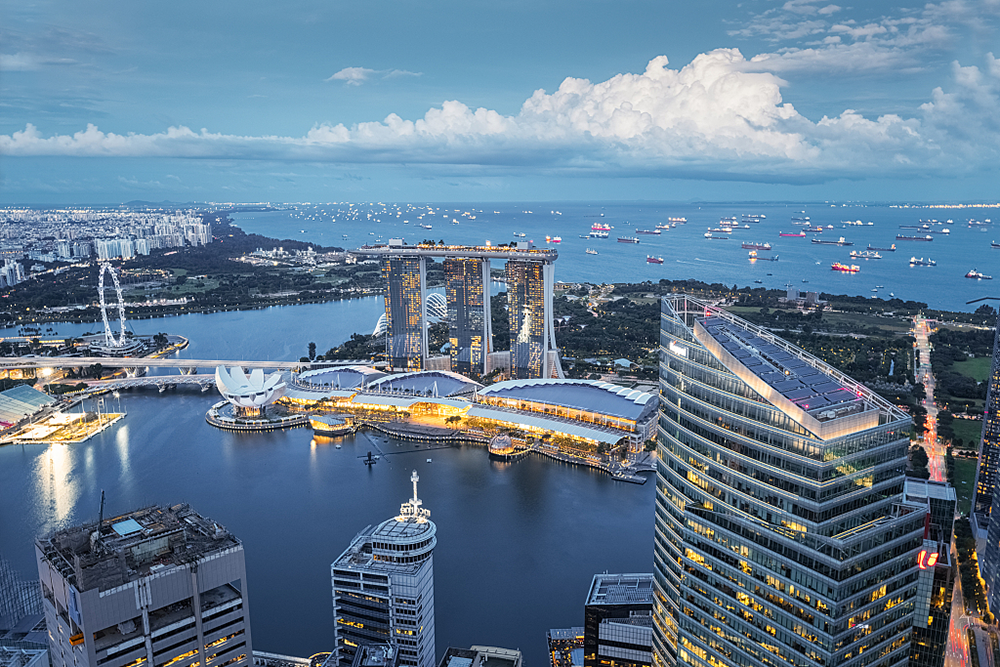
Singapore. Vision china data map

Singapore is located at the southern tip of the Malay Peninsula and at the entrance and exit of the Straits of Malacca. In 2022, it has a total population of 5.64 million, covering an area of 733 square kilometers, with a GDP of 468.12 billion US dollars and a per capita GDP of 83,000 US dollars. According to the forecast of the International Monetary Fund, the growth rate is expected to be 1.5% in 2023, exceeding 470 billion US dollars. In 2023, Singapore’s key strategies mainly focus on digital economy and digital security, green and digital shipping, economic and urban recovery, and overseas strategies of enterprises.

1. Singapore’s digital economy strategy has achieved remarkable results, and the scale of digital economy accounts for 17.3% of GDP.

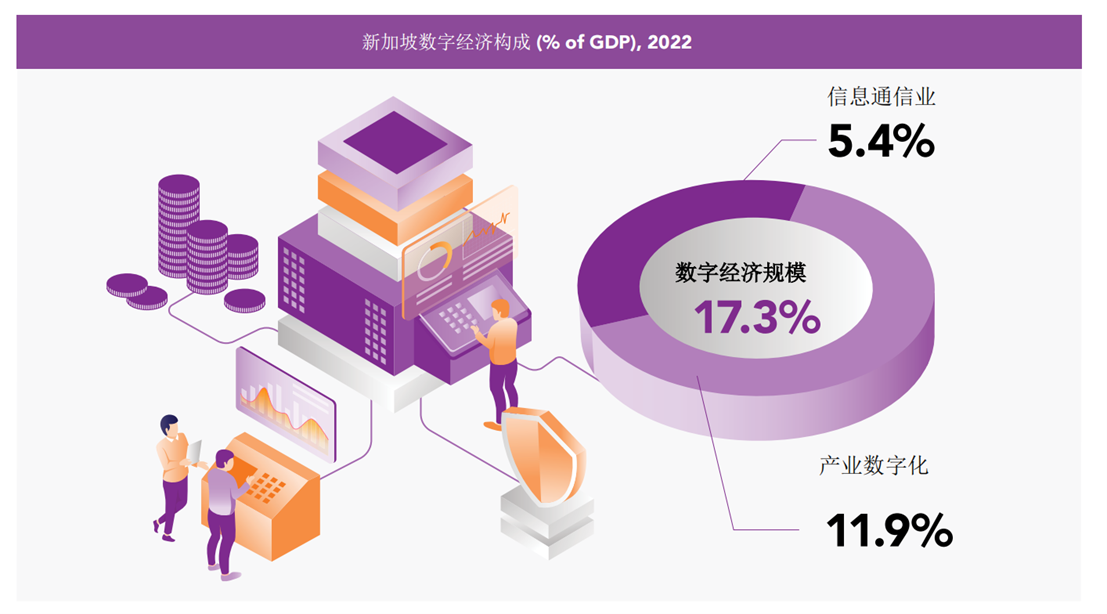
Singapore released the first "Singapore Digital Economy Assessment", which showed that the scale of Singapore’s digital economy reached 106 billion yuan, accounting for 17.3% of GDP. Singapore is establishing a digital economy accounting system to measure the scale of the digital economy. In 2022, the scale of Singapore’s digital economy will reach S $106 billion, including S $33.1 billion in the information and communication industry.

In terms of digital industrialization, e-commerce, games and network services have the fastest growth rate. In terms of industrial digitalization, financial and insurance, wholesale trade and manufacturing industries have the fastest digital transformation. In addition, in 2022, there were 201,100 digital talents in Singapore, accounting for 5.2% of the total labor force, and the number of digital management and product developers grew the fastest. 

Figure 1 Singapore Digital Economy

2. Singapore Port cooperates with Los Angeles Port and Long Beach Port to establish a green and digital shipping corridor.

In April 2023, the Maritime and Port Authority of Singapore (MPA), the Port of Los Angeles (POLA) and the Port of Long Beach (POLB) signed an agreement to establish green and digital shipping corridors between port complexes under the framework of the international city association (C40 city) to support the decarbonization of the shipping industry, improve efficiency through digitalization, and support the ships docked at the port complexes in San Pedro Bay, Singapore and Los Angeles to transition to low-emission and zero-emission fuels. The agreement also identifies digital shipping solutions and sets standards and best practices for green ports and alternative marine fuel refueling, including sharing experiences on international platforms such as IMO.

By the end of 2022, there are 21 green shipping corridors in the world, including the ports of Shanghai and Los Angeles. Ports, shipping companies, fuel suppliers and other shipping industry chain stakeholders in the green shipping corridors have signed up to cooperate, and by introducing innovative technologies and adopting new fuels, greenhouse gas emission reduction or even zero emission targets can be achieved on specific routes. 

3. Singapore will build an employment skill system centered on engineering training to enhance the employability of green economy.

As of June 2023, the unemployment rate in Singapore remained at a low level of 2.1%, and many indicators monitored by Singapore, such as the number of employed people in 2023, the long-term unemployment rate of residents, the number of laid-off people and the re-employment rate of laid-off residents within six months, were better than those in 2019. The Employment Skills Insight Report released by Singapore will build an employment skills system centered on engineering training, focusing on the energy levels of engineers and technicians in the green economy. The report emphasizes that from 2023 to 2030, Singapore’s national skills will focus on engineering training to support Singapore’s Green Plan 2030.

4. Singapore actively builds the world’s leading national digital trust center to enhance digital security and cross-border mobility convenience.

Singapore has established the National Digital Trust Center, with an investment of S $50 million. It will build a world-leading digital trust technology center from four aspects: trust technology research, trust technology innovation, new sandbox environment and new digital trust talents. At present, the center has cooperated with Britain and other countries on cross-border data flow and digital contracts. Singapore’s move is also regarded as an important measure to build a global digital financial center.

5. Singapore has built a large language model to meet the needs of multiculturalism and multilingualism, and is committed to building a language network.

Singapore took the lead in launching the flagship artificial intelligence project costing S $70 million to develop the first large-scale language model ecosystem in Southeast Asia to meet the diverse cultural and language needs of the region, and at the same time help Singapore become the global leader in artificial intelligence solutions in 2030. At present, Singapore Artificial Intelligence (AISG) has launched the first Southeast Asian Language Network (SEA-LION) system to support Singapore to become the language and voice center of Southeast Asia.

6. Singapore launched artificial intelligence strategy 2.0 to enhance its economic potential.

Singapore’s artificial intelligence strategy 2.0 aims to meet the challenges of today’s era and enhance Singapore’s economic and social potential in the next three to five years. Version 1.0 of artificial intelligence strategy was released in 2019, focusing on the application of artificial intelligence in education, medical care and social security. Version 2.0 of artificial intelligence will focus on the artificial intelligence ecosystem and support innovation and economic development through artificial intelligence, with the theme of "AI for public good, for Singapore and the world".

7. The HDB system in Singapore will be greatly adjusted and optimized, and the inclusiveness will be further enhanced.

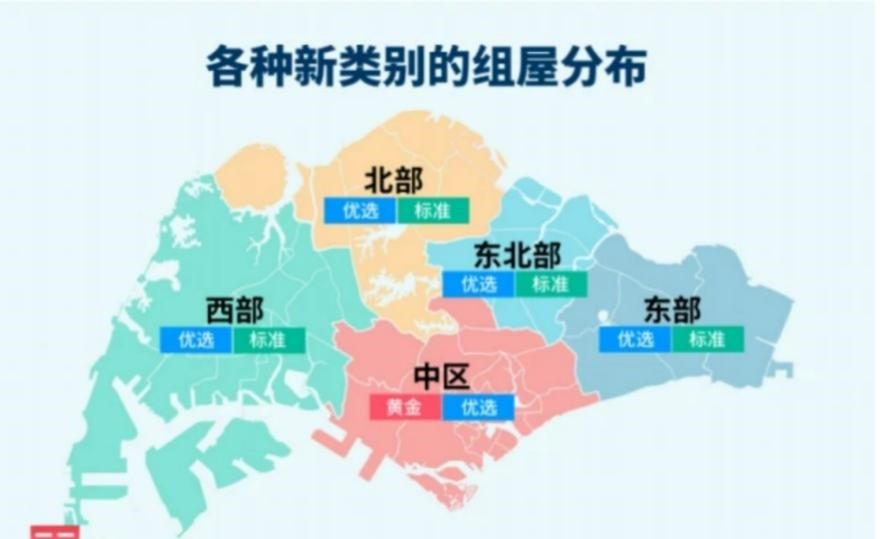
In August 2023, Singaporean Prime Minister Lee Hsien Loong announced that he would further reform the HDB system, including changing the classification of HDB from the existing "mature/immature areas" to "standard/preferred/golden areas", and setting stricter resale conditions and holding periods for the latter two HDB. For example, the minimum holding period (MOP) of HDB in gold and preferred lots will be raised from 5 years to 10 years, and the purchase allowance will also be refunded at the time of sale. To achieve "ensuring that people of all salary classes can afford HDB flats, ensuring that every town and region has a good social mix, allowing people of different classes to live in HDB flats, and ensuring that the system is fair to all." The new classification of HDB is expected to curb the rapid rising trend of existing HDB prices and ease the contradiction of demand.

Figure 2 Distribution of various new types of HDB under the new system

8. Singapore Enterprise Development Board has established overseas sub-centers to continuously expand its overseas network.

During Prime Minister Lee Hsien Loong’s visit to the United States, the Singapore Enterprise Development Agency opened an overseas sub-center in San Francisco to serve the innovative activities of Singaporean enterprises in San Francisco. Singapore took a fancy to San Francisco’s innovation system and ecology, focusing on enhancing the cooperation between the two innovation systems and ecology. At present, about 200 companies in Singapore have set up regional headquarters in the United States, covering medical care, financial technology, consumer technology, manufacturing and retail. In the past five years, the number of Singaporean companies in the United States has increased by 23%.

9. Singapore has gradually expanded its digital Singapore dollar electronic money experiment.

The Singapore government outlined the infrastructure needed to digitize the Singapore dollar, and announced that it would expand the experiment in digital currency. Monetary authority of singapore (MAS) will also issue a real-time central bank digital currency (CBDC) for batch settlement, and plans to start developing CBDC for batch interbank settlement in 2024. The expanded digital currency experiment will cover four areas: token bank liabilities, wallet interoperability, supplier financing and institutional payment control. These will be carried out with industry participants including various commercial organizations and financial institutions to check related infrastructure components and business models. At the same time, Ant International, Fazz(Note: a digital payment financial service platform, which was formed by the merger of Indonesia Payfazz and Singapore Xfers Company)And Grab(Note: South Asia Network Car Rental and Food Delivery Platform Company provides services including online car rental, food delivery, hotel reservation, online banking, mobile payment and insurance. )The pilot will be launched around the concept of special currency to facilitate Alipay users to pay GrabPay merchants.

10. Singapore started to formulate relevant technical standards after completing the first marine methanol fuel replenishment.

Replacing low-carbon fuel with methanol is a strategy to decarbonize the shipping industry, which accounts for 3% of global greenhouse gas emissions. Singapore carried out the first methanol filling operation in July 2023, which may pave the way for methanol to be used as marine fuel. With the global delivery of methanol ships, more methanol filling operations will be planned in the coming year.

After the first operation, the Singapore Chemical Industry Council and the Standards Development Organization of Singapore Maritime Safety Administration (MPA) will formulate technical references for the operation and safety requirements of methanol filling. The Singapore Maritime Bureau will also lay a further foundation for the establishment of commercial methanol operations, including licensing and infrastructure requirements. As the shipping industry moves towards full decarbonization, methanol is an important substitute.

The proportion of digital economy and green economy in Singapore has increased, and HDB reform has been carried out.

Over the past two years, Singapore has become the "online celebrity City" in Asia. Excellent urban management, stable political system, never-absent scientific and technological layout and forward-looking overseas strategy make Singapore an "investment paradise".

In 2023, the exchange rate of Singapore dollar against Malaysian ringgit rose all the way, and the enthusiasm of Singaporeans for spending across the Johor Strait to Johor Bahru and other places continued to rise. Tharman shanmugaratnam won with 70.40% of the vote and became the ninth Singaporean president.

In 2023, the proportion of digital economy and green economy in Singapore’s urban strategy increased significantly. In particular, the digital economy has enabled Singapore to once again break through the restrictions of narrow space (the last breakthrough was the establishment of major industrial parks overseas) and play a greater role in the virtual space. Singapore’s path to developing green economy has always been clear: if it can’t completely win from technology and economies of scale, then it should participate in the global green economy competition in the formulation of standards and frameworks.

Finally, talk about the HDB system in Singapore. Since the era of Lee Kuan Yew, Singapore has adhered to the concept that "people’s livelihood is the greatest democracy". Du Fu’s poem-"There are thousands of buildings in Ande" still hangs in the hall of Singapore Housing Bureau. HDB has solved the housing problem of 70% Singaporeans. Singapore has also reserved the area around the subway station with the best location, the most mature facilities and the most complete facilities for HDB. Compared with other metropolises, Singapore is a veritable "people’s city". In 2023, the detailed measures of Lee Hsien Loong’s HDB reform were obviously to improve the inclusiveness of HDB and strengthen the residential property of HDB again.

(This paper is one of the series of research results of the research group of metropolitan dynamic tracking of Shanghai Development Strategy Institute, and the members of the research group include Dai Yuehua, Grace Wai Wong and Liu Ziyu.)


The three major indexes of A shares opened lower, and the real estate sector was active.

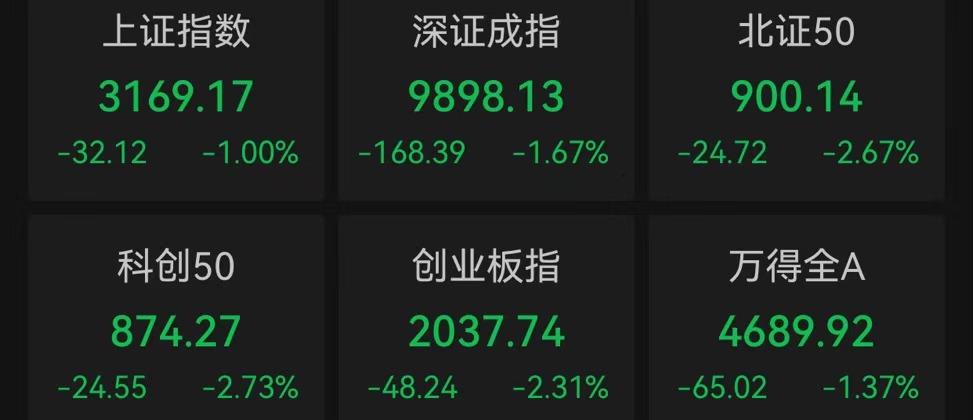
Zhongxin Jingwei, October 16 th On the morning of the 16 th, the three major indexes of A shares opened lower. The Shanghai Composite Index fell 1.00% to 3,169.17 points, the Shenzhen Composite Index fell 1.67% to 9,898.13 points, and the Growth Enterprise Market Index fell 2.31% to 2,037.74 points.
Wind screenshot
On the disk, the sector generally fell, with the copper cable high-speed connection concept, Huawei HarmonyOS concept, diversified finance, semiconductors, securities and other sectors leading the decline; The real estate sector opened slightly higher, the special services opened 5% higher, and gemdale, Chongqing Development, China Communications Real Estate and I Love My Family opened 3% higher.
The new stock N listed this morning rose more than 1070%, triggering a temporary suspension of trading, with a turnover of over 100 million yuan. According to the data, the company is mainly engaged in the research and development, production and sales of special alloy products such as high-temperature and high-performance alloys and high-quality special stainless steel. The products are widely used in the manufacturing of high-end equipment in military and civilian fields such as aerospace, gas turbines and steam turbines, nuclear engineering and petrochemical industry.
The ratio of all trading stocks in Shanghai and Shenzhen stock markets was 331: 4801, with 7 daily limit and 2 daily limit.
As of October 15, the balance of margin financing and securities lending in Shanghai and Shenzhen stock markets was 1.59 trillion yuan. The balance of financing on that day was 1.58 trillion yuan, an increase of 2.152 billion yuan over the previous trading day; The balance of securities lending on that day was 8.913 billion yuan, down 200 million yuan from the previous trading day.
In terms of individual stocks, the daily limit of stocks in call auction is as follows: Wenyi Technology (10.02%), Huali (10.00%), Chengdu Luqiao (10.16%), Guangzhi Technology (19.99%) and Chongqing Construction Engineering (10.00%).
The stocks falling below the limit are as follows: Hongda New Materials (-9.95%) and Starnet Yuda (-10.00%).
According to the research report of CITIC Securities, it is suggested to maintain the position allocation after the rapid and intense emotional repair and shock adjustment of valuation, and continue to be optimistic about the science and technology innovation board Growth Enterprise Market with high quality and good liquidity, as well as the M&A and restructuring areas encouraged by the policy level and where more cases will land. (Zhongxin Jingwei APP)
(The opinions in this article are for reference only, and do not constitute investment advice. Investment is risky, so you should be cautious when entering the market. )
For more exciting content, please pay attention to the official WeChat WeChat official account of jwview.
Reporting/feedback

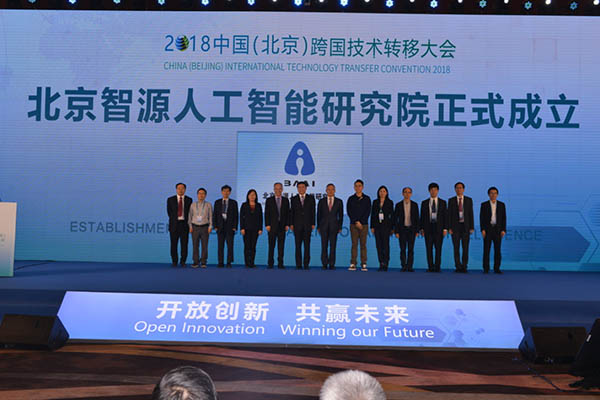
Zhiyuan Artificial Intelligence Research Institute was established in Beijing

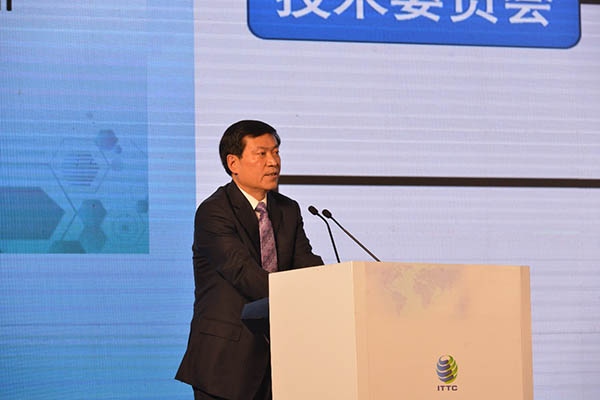
  People’s Daily Online, November 14th (Reporter Zhao Yongxin) At the opening ceremony of the 2018 China (Beijing) International Technology Transfer Conference, the Beijing Zhiyuan Action Plan was officially released, and the Beijing Academy of Artificial Intelligence (BAAI) was unveiled. Wang Zhigang, Party Secretary and Minister of the Ministry of Science and Technology, and Chen Jining, Deputy Secretary of Beijing Municipal Committee and Mayor, attended the meeting.

  In his speech, Mayor Chen Jining pointed out that Beijing Zhiyuan Artificial Intelligence Research Institute is another important new research and development institution in Beijing, following the Brain Science and Brain-like Research Center and the Quantum Information Science Research Institute. The research institute will gather superior units in the field of artificial intelligence, such as Peking University, Tsinghua University, China Academy of Sciences, Baidu and ByteDance, and adopt new scientific research organization forms and talent introduction and training modes to promote the development direction of artificial intelligence and key breakthroughs in theories, methods, tools and systems. Beijing will gather government, enterprise and social data on this platform, build new open source artificial intelligence tools, and integrate the computing power of universities and large enterprises, and open them to various AI R&D institutions, and welcome artificial intelligence researchers from all over the world to participate in the use.

  Xu Qiang, director of Beijing Science and Technology Commission, released Beijing Zhiyuan Action Plan. Under the guidance and support of the Ministry of Science and Technology and the Beijing Municipal Government, the plan was jointly proposed by government departments, enterprises, universities and institutes. It is the top-level design for the development of artificial intelligence in Beijing and an action plan to gather the wisdom of all parties.

  The vision and goal of Beijing Zhiyuan Action Plan is to support scientists to break into the "no-man’s land" at the forefront of artificial intelligence science and technology, to promote revolutionary and subversive breakthroughs in artificial intelligence theories, methods, tools and systems, to lead the frontier of artificial intelligence and the direction of technological innovation, to promote Beijing to become the source of global artificial intelligence academic ideas, basic theories, top talents, enterprise innovation and development policies, to support the development of artificial intelligence industry and to promote the depth of artificial intelligence.

  Beijing Zhiyuan Action Plan is an integrated and open system, focusing on four tasks — —

  First, with shared data, intelligent computing programming framework and computing infrastructure as the core, we will promote open source algorithms, build an innovative ecology, and build an open service platform for Beijing Zhiyuan.

  Second, promote original innovation and build a high-level joint laboratory. Beijing Zhiyuan Joint Laboratory will be built with national and provincial-level scientific and technological innovation bases or independent laboratories in the field of artificial intelligence as a unit, and research teams and projects will be arranged around major core basic theoretical issues in the field of artificial intelligence, so as to carry out interdisciplinary and collaborative innovation research and serve the national artificial intelligence development strategy.

  Third, cultivate and introduce simultaneously, and gather high-end talents. Looking at the world, we will gather basic research and innovation resources in the field of artificial intelligence, and introduce and cultivate top artificial intelligence talent teams with global influence.

  Fourth, strengthen cooperation with Industry-University-Research, hold a global artificial intelligence summit, and build Beijing into a central hub linking the world’s artificial intelligence industry and academic resources.

  According to the deployment of Beijing Zhiyuan Action Plan, Beijing Science and Technology Commission and Haidian District Government promoted the establishment of Beijing Zhiyuan Artificial Intelligence Research Institute. Relying on Peking University, Tsinghua University, China Academy of Sciences, Baidu, Kuangshi, Meituan Review, Xiaomi, ByteDance and other advantageous units in the field of artificial intelligence, the Institute built an open service platform, held an artificial intelligence summit, coordinated the promotion of joint laboratories and personnel training, and adopted a flexible and independent operation mechanism that was in line with international standards to realize the "traveling lightly" and "running faster" of the Institute. The Institute implements the dean responsibility system under the leadership of the Council. Zhang Hongjiang, the former chief technology officer of Microsoft Asia-Pacific R&D Group and the partner of source capital investment, served as the first chairman, and Huang Tiejun, director of the Computer Department of Peking University, served as the first dean. The research institute will give full play to the main role of enterprises, while the government will focus on formulating policies, creating environment and providing good services.

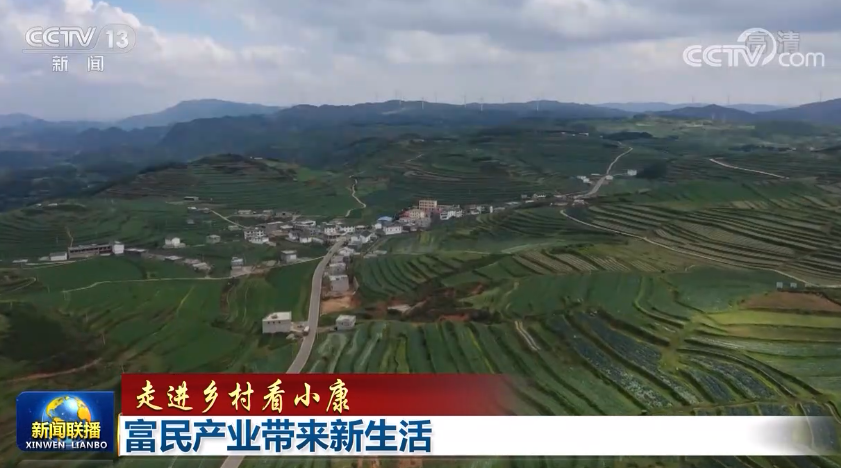
[Going into the countryside to see a well-off society] Enriching people’s industries brings new life.

  Cctv news(news broadcast): rural revitalization, industry first. Today (July 11th), we went into Weining, Guizhou, and Guang ‘an, Sichuan to see how the local villagers got rid of poverty and became rich through characteristic industries and lived a well-off life.

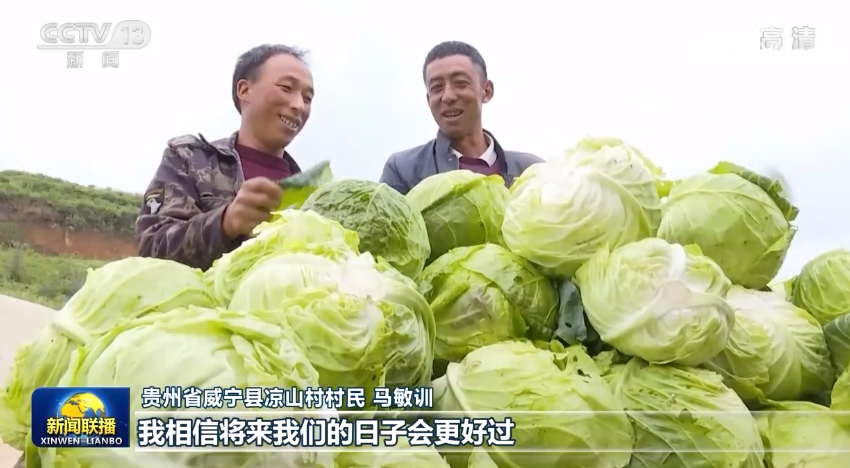
  Liangshan Village in Weining County, Guizhou Province is more than 2,600 meters above sea level. Every morning, Ma Minxun’s family will drive to their own contracted alpine cold vegetable base to work. A year ago, Ma Minxun was still working in other vegetable bases. This year, he also began to try to contract vegetable planting bases.

  Weining is located in wumeng mountain, with high altitude and mountainous areas, which is suitable for vegetable cultivation. However, due to lack of water, industrial development is difficult. In order to solve the worries of industrial development, in early 2020, Weining started the "water supply guarantee" project, laying nearly 10,000 kilometers of various water supply pipelines in the county, covering 280,000 mu of vegetable bases. With the guarantee of hardware and proper management, Ma Minxun got a bumper harvest of vegetables in the first quarter of this year. Agricultural experts from Guizhou University will also come to the village regularly to guide everyone in scientific planting. Today, the vegetables here not only meet the local demand in Guizhou, but also sell to Hunan, Guangdong, Southeast Asia and other places, and the average household income in Liangshan Village is more than 9,000 yuan.

  Vegetable cultivation has brought a new life to the villagers in Liangshan village. In Guang ‘an, Sichuan, villagers in Shihe Village recorded their "sheep" life with their mobile phones.

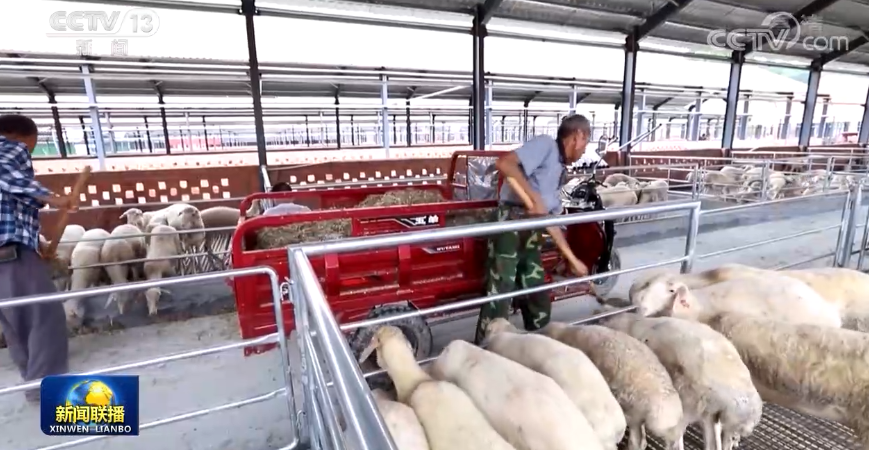
  The sheep raised by you Hanzhong is called Hu sheep, which comes from Huzhou, Zhejiang Province. In 2018, Huzhou, Zhejiang and Guang ‘an, Sichuan became partners in poverty alleviation cooperation between the east and the west, and launched the "Huyang into Sichuan" project to help the local development of characteristic industries. In 2019, You Hanzhong returned to his hometown to start a business. With the help of helping cadres, he set up a Huyang farm and participated in the management of lemon fields in the village. In two years, the ewes of Youhanzhong’s family have also developed from the initial 80 to more than 200 now. Lemon and Hu sheep have also become the characteristic recycling industries in the village.

  Hu sheep is big, grows fast, produces twice as much meat as goats, and has a good market, so it is quickly welcomed by the villagers. Relying on the Huyang industry, the local area has also developed a characteristic farm tour and a rural theme tour, and the villagers’ life has become more and more prosperous.